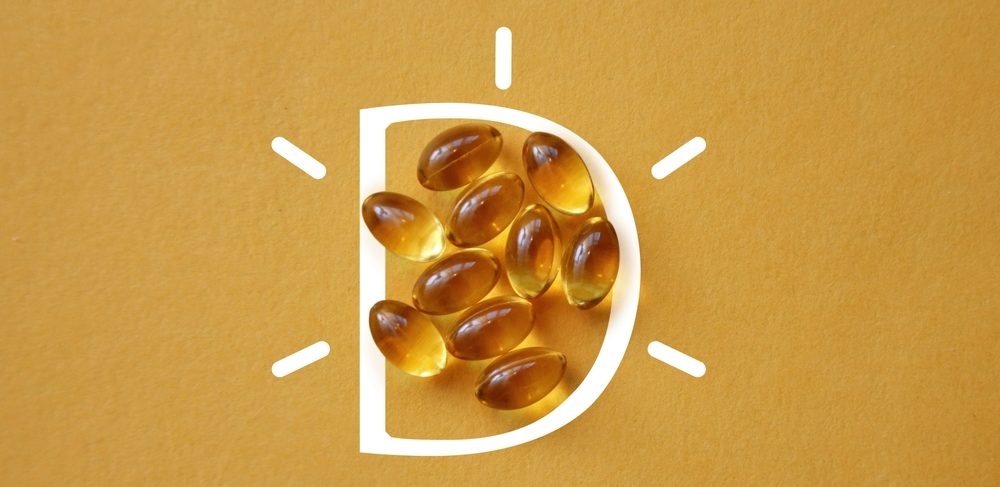
Everyone knows that vitamin D is an essential supplement for the normal functioning of the body.
But which foods contain vitamin D, in what amounts should it be taken, and what diseases can vitamin D deficiency cause?
Vitamin D is fat-soluble. From a chemical point of view, it is not just a vitamin, but a hormone. It is naturally synthesized in the skin under the influence of ultraviolet rays, which is why it is often called the “sunshine vitamin.” According to various sources, spending 15–30 minutes outdoors in sunny weather between 10 a.m. and 4 p.m. can provide the body with a sufficient amount of vitamin D.
Vitamin D deficiency directly or indirectly affects every part of the body.
It can be detected through a blood test and manifests itself with various symptoms:
• Constant feeling of cold
• Excess body weight
• Bone pain
• General fatigue and weakness
• Loss of strength and balance
• Frequent headaches
• Depression
• Hair loss and brittle nails
• Excessive sweating
• Sleep disorders
Vitamin D is essential for maintaining muscle health and also reduces the risk of cardiovascular diseases, infectious and bacterial diseases, bone cancer, diabetes, and a number of hereditary disorders.
Those who follow the advice of dermatologists and cosmetologists know that they recommend limiting sun exposure and using sunscreen due to the increased risk of skin cancer and other oncological diseases. Ultraviolet rays have also been proven to cause premature skin aging.
We also obtain vitamin D from food, although not all foods can boast high levels of it. In any case, for vitamin D to become active and exert its necessary effects on the body, it must undergo a series of transformations in the liver and kidneys.
The main functions of vitamin D include regulating calcium and phosphate absorption and supporting normal bone formation. Vitamin D also plays an important role in immune system function, muscle activity, and the regulation of inflammatory responses.
Foods rich in vitamin D and calcium:
• Canned salmon and sardines
• Fish oil
• Legumes, nuts, and dried fruits
• Green vegetables and leafy greens
• Grain products
• Dairy products: milk, cheese, yogurt
Small amounts of vitamin D can also be obtained from eggs, beef liver, and butter. However, it is difficult to meet daily requirements through these foods alone.
When included in a balanced diet, these products are also effective in preventing cardiovascular diseases and helping regulate blood sugar levels.
98% of calcium is found in bones and teeth, but it is also present inside cells and in extracellular fluid (blood serum). Serum calcium levels are not affected by dietary fluctuations. When these levels drop, the body immediately compensates by drawing calcium from bone tissue. Therefore, calcium deficiency can lead to the development of osteoporosis and other diseases.
As we can see, the recommendation by global and local medical associations to take additional vitamin D is not without reason. According to current endocrinology guidelines, adults for preventive purposes, and women during pregnancy, are advised to consume 800–1000 mg of calcium daily.
Calcium regulates the nervous system and muscle function, strengthens bones, improves immunity, reduces allergic reactions, and supports healthy heart function.
• Super Calcium for Children
• Bio Calcium
• Lecithin Calcium
• Spirulina
The use of these products supports rapid and complication-free recovery from musculoskeletal and joint injuries and accelerates the healing of bone fractures.
• Used in recovery programs for osteochondrosis, osteoporosis, and herniated discs
• Eliminates bone fragility
• Supports normal skeletal development
• Strengthens teeth, hair, and nails
• Relieves muscle cramps
• Effective in treatment programs for allergies and bronchial asthma
• Supports recovery from rheumatism, influenza, measles, and rubella
Recommended for year-round preventive use for everyone.